
San Antonio, TX, is known for its rich culture, vibrant history, and unfortunately, some of the hardest water in the country. If you’ve ever noticed spots on your dishes, buildup on your showerhead, or strange stains in your sink, you’re witnessing the effects of hard water. But the problem goes far beyond aesthetic inconveniences. Hard water can wreak havoc on your plumbing system, reducing efficiency and leading to expensive repairs over time. Understanding how hard water affects your plumbing and what you can do to protect your home is essential for every San Antonio homeowner.
What is Hard Water and Why is It a Problem in San Antonio?
Hard water contains high concentrations of dissolved minerals, primarily calcium and magnesium. These minerals naturally occur in groundwater, which supplies much of the water to residents of San Antonio. The geology of the region contributes to exceptionally hard water, making it a common concern for households across the area.
When water contains elevated mineral levels, it causes scaling and buildup inside pipes, appliances, and fixtures. Over time, these deposits can restrict water flow, damage plumbing components, and decrease the efficiency of water heaters, dishwashers, and washing machines. In San Antonio, this problem is intensified due to the consistently high mineral content in local water supplies.
Beyond mechanical issues, hard water also interferes with soap and detergent performance. You may notice that your clothes feel stiff after washing or that it takes more soap to get a good lather in the shower. These signs often go unnoticed at first, but over time, the cumulative impact becomes apparent in increased energy bills, plumbing issues, and shortened appliance lifespans.
The Plumbing Consequences of Hard Water in San Antonio Homes
One of the most serious concerns related to hard water plumbing issues is scale buildup inside the pipes. As mineral deposits accumulate, they gradually reduce the internal diameter of the plumbing, restricting water pressure and flow. This can lead to frequent clogs, slow drains, and even pipe corrosion.
Water heaters are especially vulnerable to hard water damage. The minerals in the water settle at the bottom of the tank, forming a thick layer of sediment. This sediment acts as a barrier between the heating element and the water, making the heater work harder to maintain temperature. In severe cases, the sediment can cause overheating, loud rumbling noises, and premature failure of the unit.
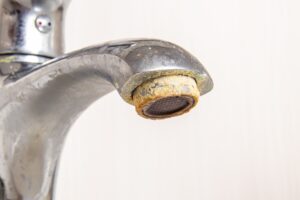
Faucets, showerheads, and other fixtures are also affected. Mineral deposits can clog aerators, causing uneven water flow and reducing efficiency. If left unchecked, these deposits can cause seals and washers to wear out faster, resulting in leaks and drips. These minor annoyances often lead to larger repair bills if not addressed promptly.
Homes in San Antonio, TX that don’t address hard water issues typically face more frequent plumbing service calls and higher maintenance costs. Investing in preventative solutions can save homeowners thousands of dollars over the lifetime of their plumbing system.
How a Water Softener Installation Can Make a Difference
The most effective way to combat the effects of hard water in San Antonio is with a water softener installation. A water softener is a system designed to remove the calcium and magnesium ions from your water supply and replace them with sodium or potassium ions through a process known as ion exchange.
Installing a water softener in your home offers immediate and long-term benefits. The reduction in mineral content prevents scale from forming in pipes and appliances, significantly extending their operational life. You’ll also notice improvements in water pressure, better soap and detergent performance, and a decrease in the amount of soap scum left on surfaces.
Water softeners are especially valuable for protecting hot water systems. Without the insulating layer of sediment caused by hard water, water heaters can operate more efficiently, which translates into lower energy costs. They also experience less wear and tear, reducing the likelihood of breakdowns and costly replacements.
Choosing the right system and ensuring proper installation is key. In San Antonio, TX, professional plumbers who specialize in water treatment can evaluate your home’s specific needs and recommend the best water softening solution for your situation. This is not a one-size-fits-all fix, so working with experienced technicians ensures optimal performance.
Finding the Best Plumbers for Water Quality in San Antonio
When dealing with the effects of hard water, hiring knowledgeable professionals is essential. The best plumbers for water quality in San Antonio not only handle water softener installations but also offer comprehensive plumbing inspections and maintenance services tailored to the region’s unique water conditions.
These experts understand how local water quality affects every aspect of your plumbing system. They can detect early signs of mineral buildup, perform descaling procedures, and advise you on how to adjust your water usage or maintenance routines to minimize damage. More importantly, they can install and maintain water treatment systems that keep your plumbing functioning smoothly.
In San Antonio, TX, some plumbers offer water testing as part of their service. This allows homeowners to get an accurate assessment of their water hardness levels and identify other potential issues such as iron content or pH imbalance. Once these factors are known, a customized solution can be developed to protect both your plumbing and your health.
Quality plumbers will also educate homeowners on how to monitor and care for their water softening systems. Regularly adding salt to the softener, cleaning the brine tank, and scheduling periodic maintenance are all part of keeping the system in peak condition. These steps ensure that your investment in water quality continues to pay off for years to come.
What You Can Do Today to Protect Your Home’s Plumbing
If you suspect hard water is affecting your plumbing, there are several actions you can take immediately. Start by observing signs such as white mineral buildup around faucets, reduced water pressure, or frequent appliance malfunctions. These may indicate a deeper issue that requires professional attention.
Schedule a water quality test with a trusted plumbing professional in San Antonio. This test will measure your water’s hardness and reveal any other contaminants that may be affecting your system. With this information, you can make informed decisions about installing a water softener or other treatment options.
Once you’ve addressed the root of the problem, it’s important to maintain your plumbing to prevent future issues. This includes flushing your water heater regularly to remove sediment, cleaning faucet aerators, and inspecting appliances for signs of scale buildup. These small steps can make a significant difference in the longevity of your plumbing system.
Educating yourself on water softener installation and maintenance is also beneficial. Whether you’re planning a new installation or already have a system in place, understanding how it works and what it needs will help you get the most from it. Don’t hesitate to consult with the best plumbers for water quality in San Antonio for expert guidance and service.
Conclusion
Living in San Antonio, TX means dealing with hard water—but it doesn’t have to mean living with plumbing problems. The effects of hard water on your home’s plumbing can be serious and costly, but they are also preventable. Through timely water softener installation and ongoing maintenance, homeowners can protect their pipes, appliances, and fixtures from damage.
Partnering with experienced local plumbers who understand the specific challenges of hard water plumbing in San Antonio is the best way to ensure long-term peace of mind. From water testing to system installation and maintenance, the right professionals will provide the tools and expertise you need to keep your home running efficiently.
Taking action today not only prevents future plumbing headaches but also enhances the comfort, safety, and value of your home. Don’t wait for hard water to take its toll—invest in your plumbing’s future now.