
A slow drain can turn into a messy plumbing emergency faster than many homeowners expect. In a city where hard water, mature trees, and a mix of historic and newer homes all play a role in plumbing performance, taking a few preventive steps can help you avoid costly repairs and unexpected disruptions.
Quick Answer
The best way to prevent clogged drains in your San Antonio home is to keep grease, food scraps, hair, wipes, and other debris out of your plumbing system while scheduling routine drain inspections when warning signs appear. Regular maintenance, mindful daily habits, and addressing small drainage issues early can help keep your plumbing flowing properly throughout the year.
What Local Readers Should Know
- Hard water common throughout the San Antonio area can contribute to mineral buildup inside drain lines over time.
- Mature neighborhoods with large oak trees often experience root intrusion that affects underground sewer lines.
- Kitchen grease is one of the most common causes of residential drain clogs and should never be poured down the sink.
- Seasonal storms in Bexar County can increase pressure on older drainage systems and expose existing plumbing issues.
- Routine maintenance is typically less expensive and less disruptive than dealing with a major blockage.
Why This Matters Locally
Preventing clogged drains is especially important for homeowners in San Antonio because local plumbing systems face several unique challenges. Hard water supplied through the region can leave mineral deposits inside pipes, gradually reducing water flow. Many neighborhoods such as Alamo Heights, Stone Oak, Terrell Hills, and Olmos Park also feature mature landscaping with tree roots that naturally seek moisture and may enter aging sewer lines.
Heavy rainfall events across South Texas can also reveal drainage problems that may have developed slowly over time. Staying ahead of minor issues helps reduce the risk of backups, water damage, and emergency plumbing calls.
At Big City Plumbing, LLC, we understand the everyday plumbing challenges local homeowners face. From this point forward, we’ll simply refer to ourselves as we because our goal is to help you make informed decisions about protecting your home’s plumbing system.
Local Data and Professional Field Observations
Professional field observations consistently show that drain problems in the area commonly involve a combination of grease buildup, hard water deposits, hair accumulation, and tree root intrusion. Homes throughout Bexar County range from decades-old properties with aging sewer systems to newer developments with modern plumbing, meaning maintenance needs can vary considerably depending on the home’s age and location.
Local Impact
Preventing drain clogs protects more than your plumbing fixtures. It helps reduce the likelihood of water damage, unpleasant odors, mold growth, and interruptions to your daily routine.
For homeowners throughout San Antonio, clogged drains may lead to:
- Slow kitchen cleanup after meals
- Bathroom sinks and showers that drain poorly
- Sewer odors inside the home
- Increased risk of wastewater backups
- More expensive plumbing repairs if ignored
Warning Signs Your Drains May Be Developing a Clog
The earliest warning signs often appear long before a complete blockage occurs. Paying attention to these symptoms allows you to address problems before they become emergencies.
Common warning signs include:
- Water draining noticeably slower than usual
- Gurgling sounds coming from sinks or tubs
- Frequent toilet backups
- Bad odors coming from drains
- Water backing up into nearby fixtures
- Standing water around floor drains
- Multiple drains slowing at the same time
When to Call a Professional
Minor buildup can sometimes be managed with safe maintenance practices, but persistent drainage issues deserve professional attention.
You should consider scheduling service if:
- Multiple drains are backing up simultaneously.
- Slow drainage continues after basic cleaning.
- You notice recurring clogs in the same fixture.
- Sewer odors continue to return.
- Water backs up into tubs, showers, or floor drains.
These symptoms may indicate a deeper blockage within your home’s drain or sewer system that requires specialized equipment to diagnose and remove safely.
Common Local Causes of Clogged Drains
Several conditions make clogged drains more common in the local area.
1. Hard Water Mineral Buildup
Hard water minerals gradually collect inside pipes, narrowing the passage available for wastewater.
2. Grease and Cooking Oils
Grease cools and hardens inside drain lines, trapping food particles and eventually creating stubborn blockages.
3. Hair and Soap Scum
Bathroom drains frequently become clogged as hair combines with soap residue to form dense obstructions.
4. Tree Root Intrusion
Older neighborhoods throughout San Antonio often have mature trees whose roots naturally seek moisture and may enter damaged sewer pipes.
5. Non-Flushable Products
Items labeled as flushable may not break down as quickly as toilet paper and can contribute to sewer blockages.
Prevention and Maintenance
Preventing clogged drains starts with consistent everyday habits.
Helpful maintenance practices include:
- Use drain strainers in kitchen and bathroom sinks.
- Dispose of grease in a sealed container instead of the drain.
- Avoid rinsing coffee grounds into the sink.
- Flush drains periodically with hot water when appropriate.
- Clean sink stoppers regularly.
- Schedule professional drain inspections if you notice recurring slow drainage.
- Have older sewer lines evaluated if your property has mature trees.
Seasonal inspections before periods of heavier rainfall can also help identify developing issues before they worsen.
Expected Results
Routine drain maintenance can improve drainage performance, reduce recurring clogs, and help identify developing plumbing issues before they require extensive repairs.
While no maintenance plan can completely eliminate every plumbing problem, preventive care generally helps extend the life of your drainage system and minimizes the likelihood of unexpected emergencies.
Common Mistakes
Many homeowners accidentally make drain problems worse.
| Mistake | Consequence | Better Approach |
|---|---|---|
| Pouring grease down the sink | Grease hardens inside pipes | Dispose of grease in the trash after cooling |
| Using excessive chemical drain cleaners | Potential pipe damage and temporary fixes | Have recurring clogs professionally evaluated |
| Flushing wipes | Increased sewer blockage risk | Flush only toilet paper |
| Ignoring slow drains | Small clogs become major blockages | Address drainage issues early |
| Skipping maintenance | Hidden buildup continues growing | Schedule periodic drain inspections |
Common Local Scenario
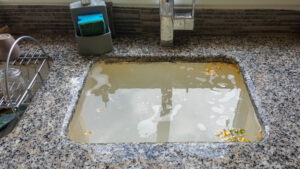
A homeowner notices the kitchen sink draining more slowly after several months. At first, the problem seems minor, but eventually the dishwasher begins backing water into the sink. An inspection reveals grease accumulation combined with mineral deposits that gradually narrowed the drain line. Early maintenance could have resolved the issue before it affected multiple fixtures.
Related Service Solutions
Several plumbing services can help prevent or resolve clogged drains, including:
- Professional drain cleaning
- Sewer line inspections
- Camera drain inspections
- Hydro jetting when appropriate
- Sewer line repair
- Preventive plumbing maintenance
Comparing Your Options
| Option | Advantages | Limitations |
|---|---|---|
| DIY prevention | Affordable and simple | Cannot remove deeper blockages |
| Store-bought drain cleaners | May provide temporary relief | Does not address underlying problems and may damage some plumbing |
| Professional drain cleaning | Thorough cleaning with proper equipment | Requires scheduling service |
| Preventive inspections | Identifies problems early | Best performed before major symptoms develop |
Service Areas
We proudly help homeowners throughout San Antonio and nearby communities including Leon Valley, Helotes, Live Oak, Universal City, Schertz, Converse, and surrounding areas throughout Bexar County.
Cost of Ignoring the Issue
Waiting too long to address drainage problems can allow buildup to worsen until water no longer flows properly. That may increase the likelihood of plumbing emergencies, water damage, unpleasant odors, and more extensive sewer repairs.
Addressing warning signs early often results in less disruption and more manageable repair costs.
Frequently Asked Questions
How can I prevent clogged drains in my San Antonio home?
The best way to prevent clogged drains is to keep grease, food scraps, hair, and non-flushable items out of your plumbing while addressing slow drains before they worsen. Routine maintenance is especially valuable in homes affected by hard water.
Does hard water contribute to clogged drains in Bexar County?
Yes. Hard water minerals can gradually collect inside pipes, reducing the available space for wastewater to flow and increasing the likelihood of buildup over time.
Are chemical drain cleaners safe to use?
Some chemical drain cleaners may provide temporary relief, but repeated use can damage certain plumbing materials and often fails to remove the underlying cause of recurring clogs.
Why do older San Antonio neighborhoods experience more sewer problems?
Many older neighborhoods have aging sewer infrastructure and mature trees. Tree roots may enter damaged sewer lines through small openings, leading to recurring blockages.
What should never go down a kitchen drain?
Grease, cooking oils, coffee grounds, pasta, rice, eggshells, fibrous vegetables, and large food scraps should all be disposed of properly rather than rinsed into the sink.
How often should drains be professionally inspected?
Homes with recurring drainage issues, older plumbing, or mature landscaping may benefit from periodic inspections. The appropriate schedule depends on your property’s condition and plumbing history.
Can tree roots clog sewer lines?
Yes. Tree roots naturally seek moisture and can grow into damaged sewer pipes, creating significant blockages that often require professional equipment to remove.
What should I do if multiple drains are backing up?
Multiple drain backups often indicate a larger sewer line issue rather than an isolated fixture clog. Professional diagnosis is recommended to determine the source of the problem safely.
Protect Your San Antonio Plumbing Before Problems Start
A little preventive maintenance can go a long way toward keeping your drains flowing properly and avoiding unexpected plumbing emergencies. We are committed to helping local homeowners maintain dependable plumbing systems with practical solutions tailored to the needs of our community.
Ready to Keep Your Drains Flowing Smoothly?
Whether you’re dealing with recurring slow drains or simply want to prevent future plumbing issues, we’re here to help.