
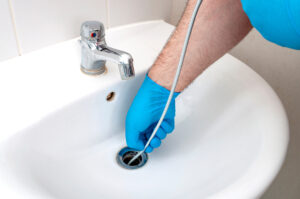
Slow or clogged drains often start as a minor inconvenience, but they can quickly turn into a much bigger plumbing problem. In a city with a mix of historic homes, newer developments, mature trees, and hard water, drain issues are something many local property owners eventually face.
Quick Answer
If your drains are slow, produce unpleasant odors, make gurgling sounds, back up frequently, or clog in multiple areas of your home, it may be time for professional drain cleaning. Addressing these warning signs early can help prevent more extensive plumbing issues, water damage, and unexpected disruptions.
What Local Readers Should Know
-
Slow drains often indicate buildup inside pipes rather than a single surface clog.
-
Hard water in the San Antonio area can contribute to mineral buildup that gradually restricts water flow.
-
Mature neighborhoods with established trees may experience root intrusion into sewer lines.
-
Multiple clogged fixtures usually point to a larger drainage issue rather than an isolated blockage.
-
Regular drain maintenance can help extend the life of your plumbing system and reduce emergency service calls.
Why This Matters Locally
Drain problems affect homes differently depending on location, and local conditions play a significant role. Many neighborhoods throughout Bexar County include homes of varying ages, each with different plumbing materials and layouts. Areas such as Alamo Heights, Stone Oak, Leon Valley, Helotes, and Castle Hills contain both older and newer properties that may experience different types of drain issues.
The Edwards Aquifer region is also known for hard water, which can contribute to mineral deposits inside plumbing over time. Combined with grease buildup, soap residue, and tree roots, these factors can gradually reduce drain performance.
At Big City Plumbing, LLC, we regularly help homeowners identify the source of recurring drain problems before they develop into costly plumbing emergencies. Once you’ve met us, we’ll simply refer to ourselves as we because our goal is to become your trusted local plumbing resource.
Local Data or Field Observations
Professional field observations show that many drain cleaning calls involve gradual buildup rather than sudden failures. Kitchen drains commonly accumulate grease and food particles, while bathroom drains frequently become restricted by soap residue and hair.
In neighborhoods with mature landscaping, tree roots seeking moisture may eventually enter aging sewer lines through small cracks or loose joints. Homes with older cast iron drain lines may also experience internal corrosion that restricts water flow over time.
Local Impact
Drain issues affect much more than convenience. Slow drainage can interrupt daily routines, create unpleasant odors, increase the likelihood of backups, and contribute to moisture problems around the home.
For busy families and property owners across the greater San Antonio area, unresolved drain problems may eventually require emergency plumbing service rather than a simple cleaning. Early attention often means less disruption and fewer repair costs.
Warning Signs
1. Slow Drains Throughout the Home
Slow drains are one of the earliest signs that professional drain cleaning may be needed. If water consistently drains more slowly than normal in sinks, tubs, or showers, buildup is likely forming inside the pipe rather than at the fixture.
2. Frequent Clogs
Occasional clogs happen, but repeated clogs in the same drain often indicate that the underlying obstruction has not been completely removed. Store-bought drain cleaners may temporarily improve flow without eliminating the actual blockage.
3. Bad Odors Coming from Drains
Persistent sewer-like or musty odors often develop when organic material accumulates inside drain lines. Food waste, grease, soap scum, and bacteria can all contribute to unpleasant smells.
4. Gurgling Noises
Gurgling sounds typically indicate trapped air caused by restricted drainage. As water attempts to move past a blockage, air bubbles escape through nearby fixtures.
5. Multiple Fixtures Backing Up
When more than one sink, shower, or toilet experiences drainage problems simultaneously, the issue may involve the home’s main drain or sewer line rather than an individual fixture. This is one of the clearest signs that professional evaluation is needed.
When to Call a Professional
Professional drain cleaning is recommended when recurring symptoms continue despite basic maintenance. Homeowners can safely remove visible debris from sink strainers or shower drains and monitor minor slowdowns.
However, frequent backups, sewage odors, multiple clogged fixtures, or water backing into other drains should be inspected by a licensed plumber. These symptoms may indicate a larger obstruction deeper within the drainage system.
Common Local Causes
Grease Buildup
Kitchen drains often accumulate cooking grease, oils, and food particles that gradually harden inside pipes.
Hard Water Mineral Deposits
Mineral-rich water common throughout the region can leave deposits inside plumbing, reducing the interior diameter of drain pipes over time.
Tree Root Intrusion
Large shade trees found throughout established neighborhoods may send roots into aging sewer lines in search of moisture.
Soap Scum and Hair
Bathroom drains frequently become restricted by soap residue, toothpaste, and accumulated hair.
Aging Plumbing Materials
Older homes may contain drain systems that have experienced decades of normal wear, corrosion, or shifting joints.
Prevention and Maintenance
Routine drain maintenance helps reduce the likelihood of major blockages.
Helpful practices include:
-
Avoid pouring grease down kitchen drains.
-
Use drain strainers to catch food particles and hair.
-
Flush drains periodically with hot water when appropriate.
-
Dispose of food scraps in the trash instead of the sink whenever possible.
-
Schedule professional drain cleaning if recurring slow drainage develops.
-
Have sewer lines inspected if your property has mature trees or recurring backups.
Expected Results
Professional drain cleaning removes accumulated debris that restricts normal water flow. After service, homeowners typically notice faster drainage, fewer recurring clogs, reduced odors, and improved overall plumbing performance.
If additional issues such as damaged sewer lines or root intrusion are discovered, further repairs may be recommended based on the inspection findings.
Common Mistakes
Mistake: Relying on Chemical Drain Cleaners
Consequence: Frequent chemical use may not remove the blockage and can potentially contribute to pipe deterioration over time.
Better Approach: Identify the source of the blockage and use professional equipment designed to safely clear drain lines.
Mistake: Ignoring Slow Drains
Consequence: Minor restrictions often become complete blockages if left untreated.
Better Approach: Address drainage changes before backups occur.
Mistake: Pouring Grease into the Sink
Consequence: Grease hardens inside pipes and traps additional debris.
Better Approach: Allow grease to cool and dispose of it in the trash.
Common Local Scenario
A homeowner notices that the kitchen sink drains slowly for several weeks. Shortly afterward, the dishwasher begins backing up into the sink, and a bathroom sink also starts draining slowly. Rather than treating each fixture separately, a professional inspection identifies a larger blockage affecting the home’s drainage system. Early drain cleaning restores proper flow before a complete backup occurs.
Related Service Solutions
Drain cleaning is one part of maintaining a healthy plumbing system. Depending on the cause of the blockage, additional services may include:
-
Sewer line inspections
-
Camera drain inspections
-
Root removal
-
Drain repair
-
Sewer line repair or replacement
-
Preventative plumbing maintenance
Comparing Your Options
| Option | Best For | Limitations |
|---|---|---|
| DIY Drain Cleaning | Minor surface clogs | May not reach deeper blockages |
| Chemical Drain Cleaner | Temporary symptom relief | Does not address underlying causes and may affect some plumbing materials |
| Professional Drain Cleaning | Recurring clogs, slow drains, odors, multiple affected fixtures | Requires scheduling service but provides a more complete solution |
Service Areas
We proudly serve homeowners throughout San Antonio as well as many surrounding communities including Converse, Live Oak, Universal City, Schertz, Selma, and other nearby areas across Bexar County.
Cost of Ignoring the Issue
Ignoring drain problems often allows blockages to worsen over time. Minor restrictions can eventually lead to overflowing fixtures, water damage, unpleasant odors, or sewer backups that require more extensive repairs. Addressing drainage issues early is usually the more practical and less disruptive approach.
Frequently Asked Questions
How often should drains be professionally cleaned in San Antonio?
Most homes benefit from professional drain cleaning as needed based on symptoms. Properties with mature trees, older plumbing, or recurring buildup may benefit from more regular inspections.
Does hard water affect drains?
Yes. Hard water can contribute to mineral deposits inside plumbing over time, reducing water flow and allowing debris to collect more easily.
Can tree roots clog sewer lines in Bexar County?
Yes. Tree roots commonly seek moisture and may enter aging sewer lines through small openings or damaged joints, eventually restricting wastewater flow.
Are slow drains always caused by clogs?
Not always. Slow drainage may also result from mineral buildup, damaged piping, improper slope, or ventilation issues that require professional diagnosis.
Is professional drain cleaning better than chemical cleaners?
Professional drain cleaning typically removes the actual obstruction rather than temporarily opening a small pathway through the blockage. It also allows plumbers to identify any underlying plumbing concerns.
What should I avoid putting down my drains?
Avoid grease, cooking oils, coffee grounds, large food particles, paper towels, hygiene products, and excessive amounts of soap residue whenever possible.
Should multiple clogged fixtures be a concern?
Yes. Multiple affected fixtures often indicate a blockage in the main drain or sewer line rather than a single fixture, making professional evaluation advisable.
Can preventative drain maintenance help?
Yes. Preventative maintenance can reduce buildup, improve drainage performance, and help identify developing plumbing issues before they become emergencies.
Closing
Drain problems rarely improve on their own, and small warning signs often point to larger issues developing inside your plumbing system. Recognizing these symptoms early allows homeowners to protect their property, reduce inconvenience, and keep their plumbing operating efficiently.
Keep Your Drains Flowing with Confidence
Our team is here to help you identify drainage problems, explain your options, and restore reliable plumbing performance throughout your home.