

As the warm Texas sun begins to beat down on San Antonio, homeowners should turn their attention to an often-overlooked aspect of home maintenance: plumbing. Spring is the ideal time to conduct a thorough spring plumbing maintenance checklist to ensure your home’s water systems are ready for the demanding summer months ahead. With temperatures soaring and water usage increasing, now is the moment to prepare your plumbing for summer and avoid costly emergency repairs when the heat is at its peak.
San Antonio residents know that summer can be unforgiving, especially when it comes to plumbing infrastructure. A residential seasonal plumbing inspection services in San Antonio can reveal potential issues before they become major problems. This comprehensive guide will walk you through the essential checks every San Antonio, TX homeowner should perform this spring.
Check Your Outdoor Faucets and Hose Connections
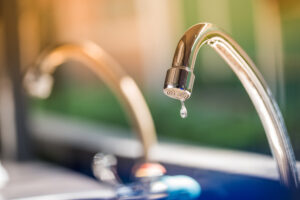
One of the first items on your spring plumbing maintenance checklist should be inspecting all outdoor faucets and hose connections. During winter, freezing temperatures can damage these exposed fixtures, leading to cracks, leaks, or complete failure when you need them most.
Turn on each outdoor faucet and let the water run for several seconds. Check for any unusual sounds, sputtering, or discolored water. These signs indicate that debris or mineral buildup may have accumulated in the lines during the cold months. If you notice weak water pressure, you may need to clean the aerator, which is the small screen at the faucet tip that filters debris.
Inspect all visible hose connections for cracks or damage. Look for any water pooling around the connection points, which would indicate leaks. If you find damaged hoses, replace them before connecting them to your faucets for the season. This simple preventive step can save you from dealing with flooded yards or water waste throughout the summer months in San Antonio, Texas.
Inspect Your Water Heater
Your water heater works overtime in San Antonio, and spring is an excellent time to ensure it is functioning properly. Begin by checking the temperature setting on your water heater. The ideal temperature is between 120 and 140 degrees Fahrenheit. Higher settings waste energy, while lower settings may not provide adequate hot water for your household needs.
Next, look for any signs of leaks around the base of the tank. Rust stains, water pooling, or mineral deposits are red flags that your water heater may be failing. If your water heater is more than ten years old, consider having seasonal plumbing inspection services in San Antonio evaluate it professionally. Older units are more prone to failure, and replacing a failing heater proactively beats dealing with a complete breakdown during a hot summer day.
Drain a few gallons from the bottom of your tank to remove sediment buildup. This process helps improve efficiency and extends the life of your unit. If you are uncertain about how to perform this task safely, a professional plumber in San Antonio, TX can handle it during your seasonal inspection.
Test Your Water Pressure
Water pressure that is too high can damage your plumbing system and cause leaks throughout your home. When preparing your plumbing for summer, testing your water pressure should be a priority item on your checklist. You can purchase an inexpensive water pressure gauge at any hardware store and attach it to an outdoor faucet to get a reading.
Normal water pressure ranges from 40 to 60 PSI, or pounds per square inch. If your pressure exceeds 80 PSI, you should have a pressure regulator installed by a professional plumber. High water pressure puts unnecessary stress on pipes, joints, and fixtures, accelerating wear and tear.
Low water pressure might indicate a different problem altogether. It could signal a leak somewhere in your system, mineral buildup in pipes, or issues with your main water line. If you notice that multiple fixtures are experiencing low pressure, contact a professional for seasonal plumbing inspection services in San Antonio to identify the root cause and prevent further complications.
Clean and Inspect Your Drains
Drains accumulate hair, soap, grease, and other debris over time. Spring is the perfect opportunity to clean them thoroughly before summer guests arrive. Pour boiling water down each drain to help clear minor blockages and remove grease buildup. For tougher clogs, use a plunger or plumbing snake to dislodge debris.
Pay special attention to your kitchen sink drains, as they collect grease and food particles more readily than bathroom drains. Never pour cooking grease down the drain, as it congeals as it cools and creates stubborn blockages. Instead, dispose of grease in the trash or a separate container.
Inspect the area beneath your sinks for signs of leaks or water damage. Slow drips under sinks often go unnoticed until significant damage has occurred. If you find moisture or staining, investigate the source immediately. You may need to replace a P-trap or repair a leaking connection. Regular drain maintenance now prevents emergency plumbing calls later when you need your water systems most.
Examine Pipes for Leaks and Corrosion
Winter temperature fluctuations can cause pipes to expand and contract, potentially creating leaks or damage. Inspect all visible pipes in your basement, crawlspace, and under sinks for signs of corrosion, leaks, or mineral deposits. Small drips from joints or connections should not be ignored, as they waste water and can lead to mold growth or structural damage.
Look for white, blue, or green discoloration on copper pipes, which indicates corrosion. In San Antonio, Texas, older homes may have galvanized steel pipes that are prone to rust and deterioration. If you notice extensive corrosion, this is an ideal time to have a professional evaluate whether pipe replacement is necessary during your seasonal plumbing inspection services in San Antonio.
For persistent leaks, do not attempt amateur repairs if you lack experience. A professional plumber can identify the exact source of the leak and make permanent repairs. Addressing pipe issues now, before summer heat puts additional stress on your system, prevents costly water damage and emergency repairs down the road.
Prepare Your Sprinkler System
If you have an irrigation or sprinkler system, spring is the time to turn it on and check for proper function. Walk through your yard and inspect each sprinkler head for damage, leaks, or misalignment. Some heads may have been damaged by lawn equipment or freezing temperatures during winter.
Check that your system is delivering water evenly across your landscape. Dry patches indicate broken lines or clogged sprinkler heads that need attention. In San Antonio, TX, where summer temperatures soar, an efficiently functioning sprinkler system is essential for maintaining your landscaping without wasting water.
Test your system’s timer and ensure it is programmed correctly for your schedule. Many homes benefit from watering early in the morning to reduce evaporation. If you need help with your sprinkler system during your seasonal plumbing inspection services in San Antonio, a qualified professional can handle repairs and adjustments.
Conclusion
A spring plumbing maintenance checklist is an investment in your home’s longevity and your peace of mind. By preparing your plumbing for summer now, you avoid emergencies during peak usage season. Whether you handle simple checks yourself or hire a professional for seasonal plumbing inspection services in San Antonio, taking action this spring will keep your home running smoothly all season long.