
If you own a home in San Antonio, chances are it sits on a slab foundation. While slab foundations are common throughout Bexar County and surrounding areas, they come with one major plumbing vulnerability: hidden leaks beneath the concrete. When plumbing lines run under your slab, a small problem can go unnoticed until it becomes expensive. That is where hydrostatic plumbing testing in San Antonio, TX, becomes incredibly important.
At Big City Plumbing, we regularly help homeowners, homebuyers, and real estate professionals determine whether underground plumbing lines are intact or compromised. If you have heard the term before but are not quite sure what it means or when it is necessary, this guide will walk you through it clearly and practically.
What Is Hydrostatic Plumbing Testing?
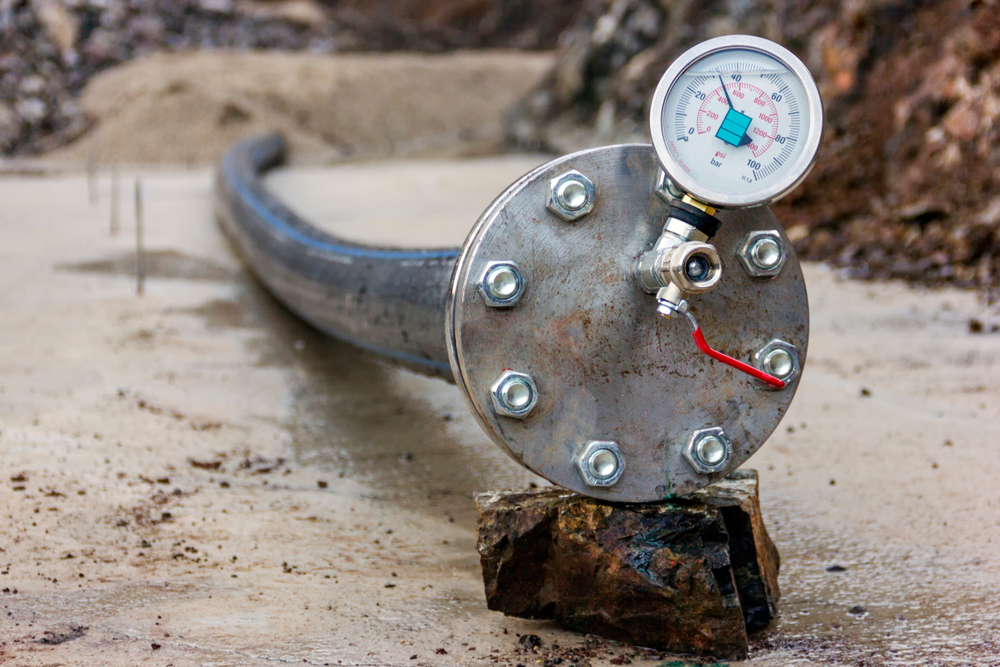
Hydrostatic plumbing testing in San Antonio, TX, is a diagnostic method used to evaluate the integrity of your underground drain system. In simple terms, we isolate the sewer lines beneath your slab foundation and fill them with water to see whether the system holds pressure.
If the water level drops during the test, it typically indicates a break, crack, or separation somewhere in the line. Because these pipes are buried beneath concrete, leaks cannot be seen directly. A hydrostatic test allows us to identify hidden issues without tearing up your home unnecessarily.
This process is especially important in San Antonio because many homes were built decades ago using cast iron or older PVC materials that may be nearing the end of their lifespan. Soil movement, shifting foundations, and tree root intrusion can also contribute to underground pipe failure.
Unlike basic drain cleaning or surface-level diagnostics, hydrostatic testing specifically evaluates the system under the slab. It provides a clear yes-or-no answer about whether your underground sewer system is compromised.
Why Slab Homes in San Antonio Are at Risk
San Antonio’s soil conditions play a major role in plumbing failures. Much of the area sits on expansive clay soils that swell when wet and shrink when dry. Over time, this constant movement puts stress on slab foundations and the plumbing pipes beneath them.
Add to that our extreme summer heat, sudden heavy rainstorms, and aging infrastructure in older neighborhoods like Alamo Heights, Castle Hills, and parts of the Northside, and you have a perfect recipe for slab-related plumbing issues.
When underground pipes crack or separate, the water escaping beneath the slab can cause:
- Foundation shifting
- Flooring damage
- Musty odors
- Mold concerns
- Rising water bills
The challenge is that many homeowners do not realize there is a problem until secondary damage appears. By the time you see cracked tile or warped flooring, the issue may have been developing for months.
Hydrostatic plumbing testing in San Antonio, TX, is often the most reliable way to determine whether underground drain lines are the source of foundation or moisture concerns.
When Is Hydrostatic Testing Necessary?
Not every home needs immediate hydrostatic testing, but there are certain situations where it becomes strongly recommended.
One of the most common scenarios is during slab leak testing. If you are experiencing unexplained water under your flooring, warm spots on tile, or foundation movement, we may perform slab leak testing to narrow down the cause. If initial diagnostics suggest drain line failure, hydrostatic testing provides confirmation.
Another major trigger is repeated sewer backups. If you are clearing clogs frequently but the problem keeps returning, there may be a structural failure in the pipe itself rather than just debris buildup.
Hydrostatic testing is also commonly requested as a plumbing pressure test before buying a home. Real estate agents and buyers in San Antonio understand the risks associated with slab foundations. A hydrostatic test can provide peace of mind before closing, especially in older properties.
Additional signs you may need testing include:
- Persistent sewer odors inside the home
- Foundation cracks appearing near bathrooms or kitchens
- Unusually lush patches of grass near the slab perimeter
- Previous plumbing repairs under the slab
Homebuyers in particular should consider a plumbing pressure test before buying a home if the property is more than 20 to 30 years old. It is far less expensive to identify a sewer line issue before closing than to inherit a costly repair afterward.
What Happens During a Hydrostatic Plumbing Test?
Many homeowners feel nervous about testing because they imagine major disruption. In reality, hydrostatic plumbing testing in San Antonio, TX, is minimally invasive.
We begin by locating a cleanout access point. From there, we insert a test ball or mechanical plug into the drain line to isolate the system under the slab. Once sealed, we fill the system with water to a specified level.
We then monitor the water level over a set period of time. If the water remains steady, the system is holding. If the level drops, it indicates a leak or break in the underground piping.
In some cases, we may follow up with camera inspection to pinpoint the exact failure location. This combination allows us to recommend targeted repairs rather than unnecessary excavation.
The test itself does not damage your plumbing system when performed correctly by experienced professionals. It is a controlled, code-recognized method of verifying system integrity.
Should You Schedule Hydrostatic Testing?
The decision ultimately depends on your situation.
If you are living comfortably with no signs of plumbing trouble, routine testing is not typically required. However, if you notice early warning signs or are preparing to purchase a slab home in San Antonio, hydrostatic plumbing testing in San Antonio, TX, can be a smart preventative step.
For homeowners planning renovations, especially bathroom remodels, confirming the integrity of underground plumbing beforehand can prevent surprises mid-project.
For real estate agents, recommending a plumbing pressure test before buying a home demonstrates due diligence and protects your clients from unexpected post-closing expenses.
San Antonio’s combination of aging housing stock, clay soils, and slab construction makes underground plumbing vulnerabilities more common than many people realize. Being proactive can save significant stress and money later.
At Big City Plumbing, we approach every situation honestly. If testing is necessary, we explain why. If it is not, we will tell you that too. Our goal is not to push services but to provide clarity.
Protecting Your San Antonio Home from Hidden Plumbing Damage
Slab foundations are built to last, but the plumbing beneath them does not always age at the same pace. Hidden drain line failures can compromise your foundation, flooring, and overall home value without obvious warning signs.
Hydrostatic plumbing testing in San Antonio, TX, offers a reliable way to confirm whether your underground plumbing system is intact. Whether you are investigating a possible slab leak, dealing with recurring sewer issues, or requesting a plumbing pressure test before buying a home, this diagnostic tool provides answers that protect your investment.
If you live in San Antonio and have concerns about your slab foundation plumbing, speaking with an experienced plumbing professional is the first step. Early detection is always less costly than late-stage repair.