

If you’re replacing a water heater in 2026, you are probably hearing the same question over and over: should you stick with a traditional tank or upgrade to tankless? For homeowners in Bexar County, the decision is not just about technology trends. It is about water quality, installation cost, long-term performance, and how your household actually uses hot water.
At Big City Plumbing, we approach tank vs. tankless water heaters in San Antonio with a balanced, analytical mindset. There is no one-size-fits-all answer. The right choice depends on your home, your budget, and how much you want to invest upfront versus over time.
Let’s break it down in practical terms so you can make a confident decision.
How Traditional Tank Water Heaters Perform in San Antonio
Tank water heaters are the most common systems in San Antonio homes. They store and heat a set amount of water, usually between 40 and 80 gallons, and keep it ready for use. When the tank empties, it must refill and reheat before you have another full supply.
In many neighborhoods from Stone Oak to the West Side, tank systems remain popular because they are reliable, straightforward, and affordable to install. If your existing plumbing and venting are already configured for a tank unit, replacement is often simple and cost-effective.
However, San Antonio’s hard water plays a major role in tank performance. Mineral buildup from calcium and magnesium settles at the bottom of the tank over time. That sediment layer reduces heating efficiency and shortens the system’s lifespan. Without routine flushing and maintenance, tanks can fail earlier than expected.
When homeowners ask about the best water heater for Texas hard water, maintenance becomes part of the conversation. Tank systems can perform well in our region, but they require periodic flushing to combat scale buildup. Neglecting that maintenance can lead to higher energy bills and premature failure.
Still, for households with moderate hot water demand and limited renovation budgets, traditional tanks remain a practical option.
How Tankless Systems Work and Why They Appeal to Homeowners
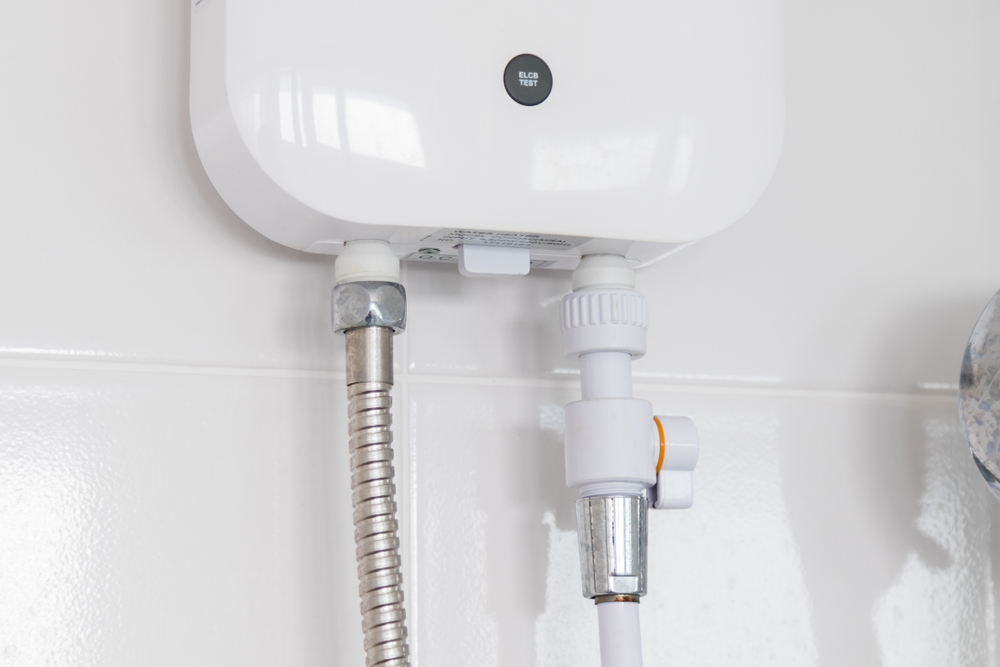
Tankless water heaters operate differently. Instead of storing water, they heat it on demand as it flows through the unit. When you turn on a hot water tap, the system activates and heats water instantly.
The biggest appeal is unlimited hot water. Large families in neighborhoods like Alamo Ranch or families with multiple bathrooms often appreciate that they will not run out of hot water during back-to-back showers.
Tankless units are also more energy-efficient in many scenarios because they do not constantly reheat stored water. Over time, this can lower utility costs, particularly for households with consistent hot water usage.
However, when evaluating tank vs. tankless water heaters in San Antonio, it is important to discuss installation realities. The cost to install a tankless water heater is significantly higher than replacing a tank unit. Gas lines may need upgrading, electrical capacity may require modification, and venting changes are often necessary.
In older homes throughout central San Antonio, retrofitting for tankless can become a larger project than homeowners initially expect. That does not mean it is a bad choice, but it does mean careful cost analysis is essential.
Comparing Installation Costs in 2026
Budget is often the deciding factor.
Replacing a traditional tank water heater in San Antonio typically involves minimal plumbing modifications if you are installing a similar model. That keeps upfront costs manageable. For many homeowners, this affordability makes tank systems appealing.
By contrast, the cost to install a tankless water heater includes not only the unit itself but also potential upgrades to gas supply, venting, or electrical systems. Tankless units are more technologically advanced and require precise installation to function properly.
In 2026, material and labor costs continue to fluctuate. While tankless systems may offer long-term energy savings, the payback period varies depending on your water usage habits. If your household uses modest amounts of hot water, energy savings may not offset the higher installation investment quickly.
When we discuss tank vs. tankless water heaters in San Antonio with customers, we walk through real usage patterns. A family of six will see different value than a retired couple living in a two-bedroom home.
Cost-conscious decisions require honest math, not marketing hype.
Hard Water Considerations in San Antonio
San Antonio is known for hard water. Mineral content affects plumbing fixtures, appliances, and water heaters alike. When evaluating the best water heater for Texas hard water, this factor cannot be ignored.
Tank systems accumulate sediment at the bottom of the tank. Over time, that buildup reduces efficiency and stresses heating elements. Regular flushing helps, but not all homeowners keep up with annual maintenance.
Tankless systems are not immune to hard water issues either. Scale buildup can restrict heat exchanger performance if descaling maintenance is neglected. In fact, tankless units often require more consistent maintenance in hard water regions to protect internal components.
Many San Antonio homeowners pair tankless systems with water softeners to reduce mineral damage. While that adds cost, it can significantly extend system life and efficiency.
Ultimately, neither system is automatically superior in hard water conditions. The key is committing to proper maintenance and, when possible, addressing water quality at the source.
Longevity, Efficiency, and Long-Term Value
Tank water heaters typically last between eight and twelve years in our area, depending on maintenance and water quality. Tankless systems can last significantly longer, often 15 to 20 years, if properly maintained.
Energy efficiency favors tankless units in many cases, especially for homes with consistent hot water demand. However, efficiency gains are less dramatic in smaller households with lower usage.
When analyzing tank vs. tankless water heaters in San Antonio, long-term ownership costs should include installation, maintenance, energy consumption, and replacement cycle. A tankless system may cost more upfront but last longer. A tank system may cost less initially but require replacement sooner.
Space considerations also play a role. Tankless units mount on walls and free up floor space, which can be valuable in compact utility rooms.
At Big City Plumbing, we help homeowners weigh these variables carefully. Our goal is not to push one technology over another. It is to ensure you understand both the advantages and trade-offs.
Which Is Right for Your Home in 2026?
There is no universal answer to tank vs. tankless water heaters in San Antonio. The right system depends on your home’s infrastructure, your budget, and your long-term plans.
If you want lower upfront cost and straightforward replacement, a tank water heater remains a solid choice. If you value energy efficiency, extended lifespan, and unlimited hot water, and are prepared for higher initial investment, tankless may make sense.
San Antonio’s hard water means maintenance should never be overlooked, regardless of system type. The best water heater for Texas hard water is one that is installed properly, sized correctly, and maintained consistently.
Before making a decision, it is wise to evaluate your household’s usage patterns and understand the true cost to install a tankless water heater compared to a standard tank replacement. An informed choice today can prevent regret later.
At Big City Plumbing, we believe education leads to better decisions. When you’re ready to upgrade your water heater in 2026, taking a thoughtful, cost-conscious approach will ensure you choose the system that truly fits your San Antonio home.